21 May, 2026
The History of Kung Fu in a Nutshell
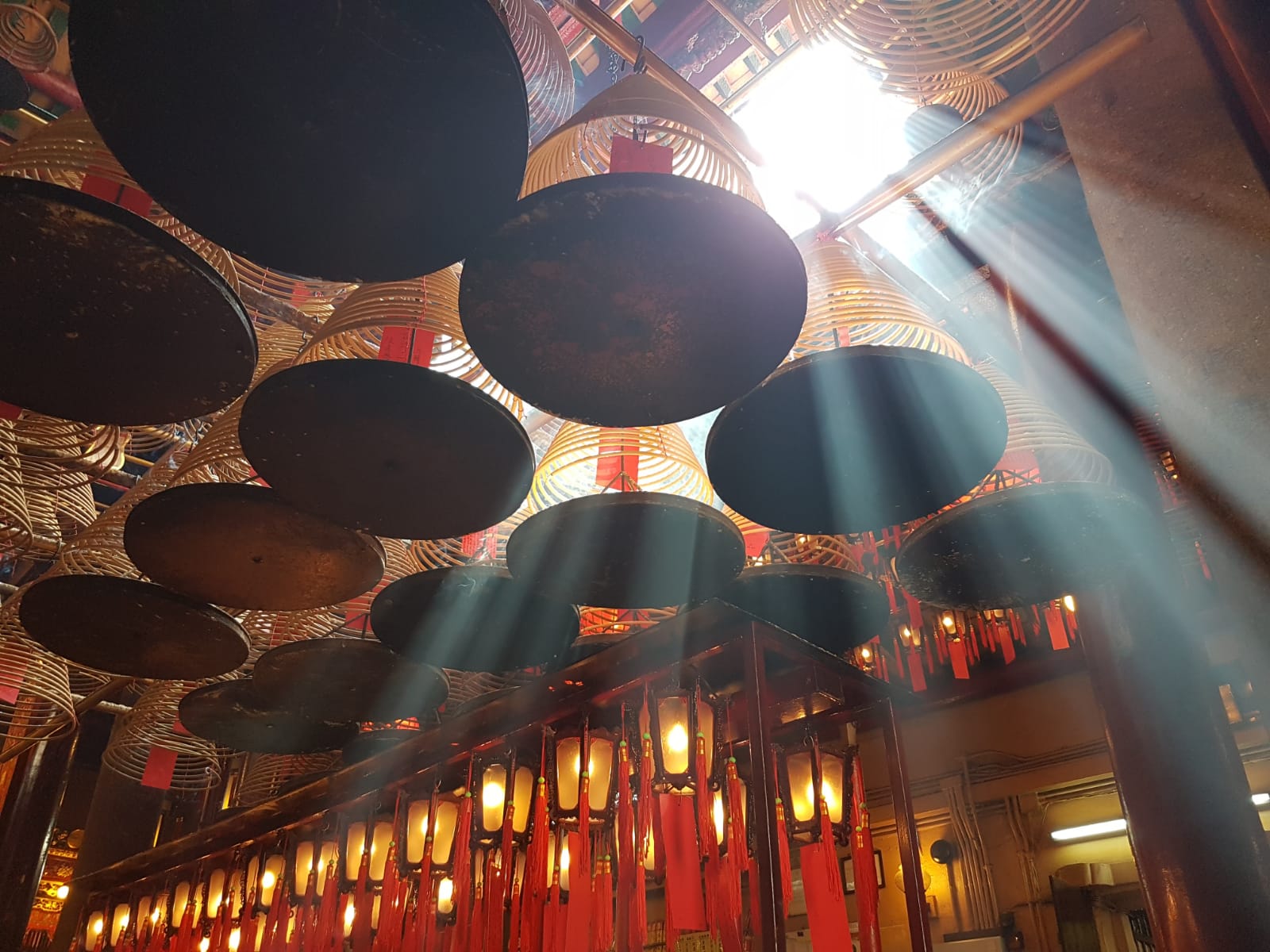
Where does Kung Fu come from and what characterizes this Chinese martial art? In a series of articles, we tell about the origin and development of the martial art over the years. We speak with sifu and owner Lai-Wing Hau, who tells us how Kung Fu has helped him become stronger both inside and out and why it is so important that students receive personal guidance during lessons. In this first article, we first look back at the history of the martial art.
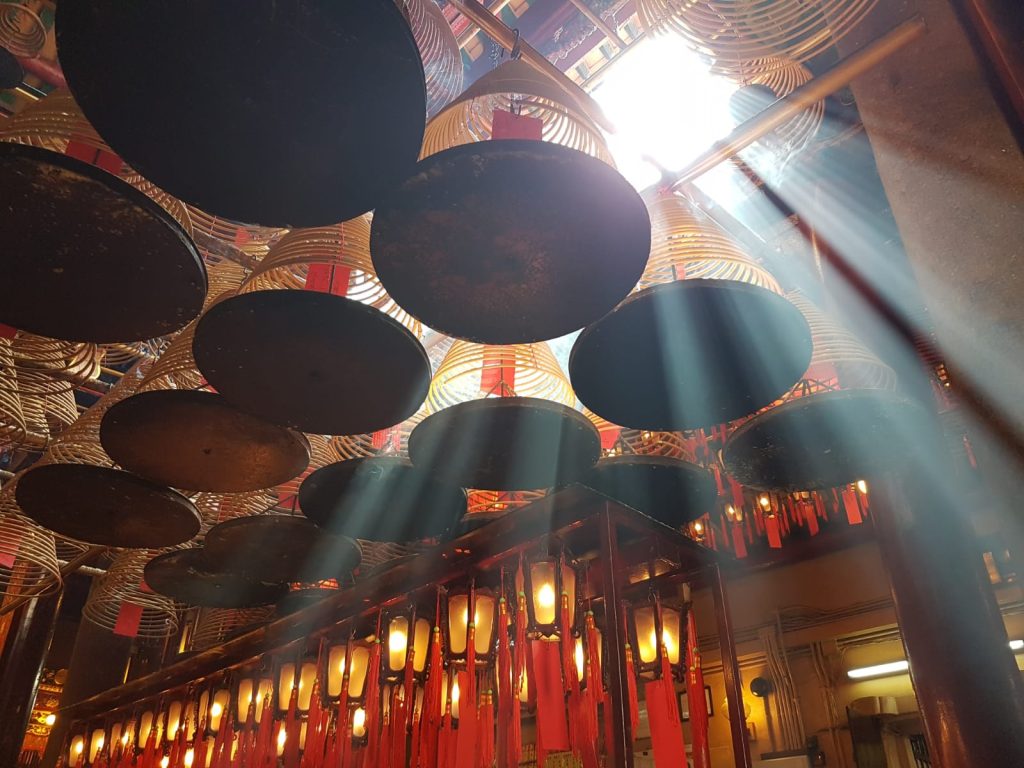
The important influence of Shaolin on Kung Fu
To better understand Kung Fu, it is important to go back to the origin of this Chinese martial art. We go back to China, the cradle of Kung Fu. At that time, an art often practiced only by the elite. It is often thought that Kung Fu comes from Shaolin, a Buddhist temple inhabited by monks. These monks did not develop Kung Fu themselves, but they did positively influence the skills of the various Kung Fu styles. For the monks of Shaolin, three pillars were always central to their way of life, and these three pillars still form the basis at KEI Kung Fu today: balance between mind, body, and spirit.
During the Cultural Revolution in the 1960s, many Chinese fled Communism. Many refugees took their Martial Arts to other Asian countries such as Taiwan, Hong Kong, and Malaysia. Due to the fame of Bruce Lee and his teacher Yip Man, Kung Fu has now become indispensable in the Western world as well.
The different Kung Fu styles
Depending on where you are in the world, you will find different styles of Kung Fu. For example, there are originally northern and southern styles to distinguish. This is a result of the geographical differences within China. Northern China, for example, faces harsh weather conditions. Residents there generally have more facial hair due to the climate and are physically larger and stronger than the Chinese from the south, where it is generally warmer.
The characteristic features are also reflected in the styles of Kung Fu. The northern styles – practiced by the generally stronger (larger) Chinese – are generally characterized by larger movements. In addition, you often see the use of weapons in these Northern styles, such as swords, spears, and other objects. The southern styles are characterized more by smaller and more effective movements. An example of perhaps the best-known southern style is Wing Chun Kung Fu, practiced by Bruce Lee.
“Kung Fu literally means ‘skill’ and should not be confused with Wushu, which means martial art. As mentioned earlier, Kung Fu is actually not the correct term and it is better to speak of Wushu. Wushu is a collection of styles including the style central to KEI Kung Fu, Wing Chun” – Lai-Wing Hau, owner KEI Kung Fu
Wing Chun as the basis for inner strength
The short and fast movements used in Wing Chun Kung Fu were developed – according to legend – by Mrs. Yim Wing Chun and her teacher Ng Mui. The legend says she developed this style for physically less strong people. This makes this style suitable for everyone, regardless of age and gender. Learn to know and control your own body to defeat stronger opponents. Wing Chun believed that transmitting inner energy is important in confrontations with stronger opponents. By focusing on this inner energy and then combining it with techniques such as Chi Sau (sticky hand), Song (calm and relaxed), and Chain Punches, the basis for Wing Chun was created. In fact, you could say that the power of relaxation and speed is more effective and less tiring than pure physical strength.
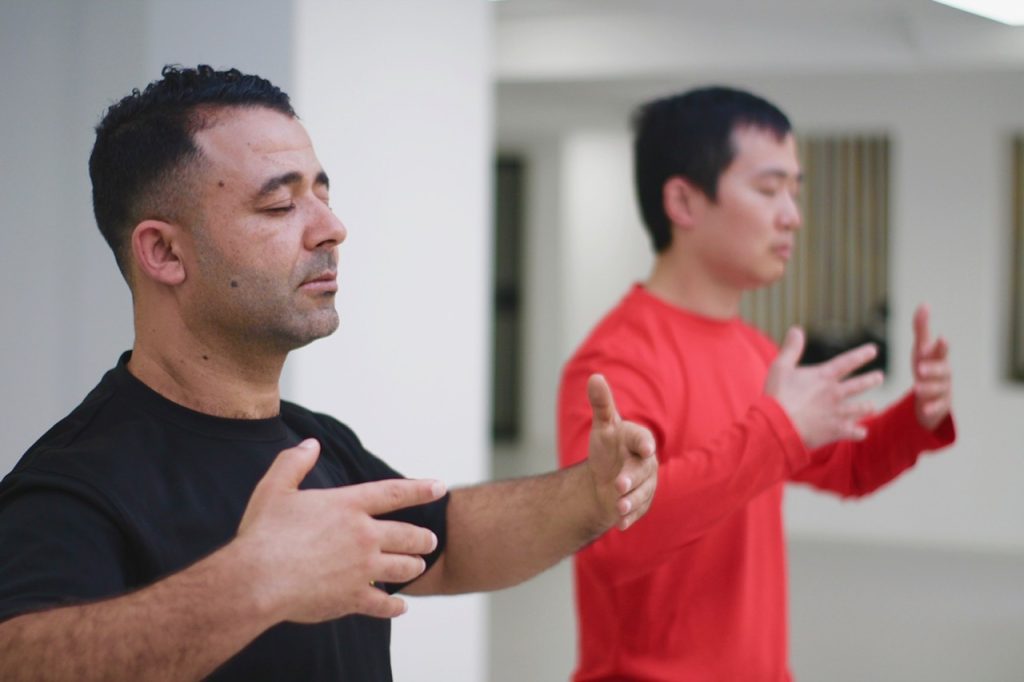
“At KEI Kung Fu, the combination of the external and internal aspect is central, where the three important pillars of Shaolin, body, mind, and spirit, cannot and must not be separated.” – Sifu Lai-Wing Hau
Curious about what Kung Fu can bring you and what the personal lessons at KEI Kung Fu look like? Come by for an introduction or sign up for a free trial lesson.