21 May, 2026
Wing Chun as a lifestyle, what are the long-term benefits?
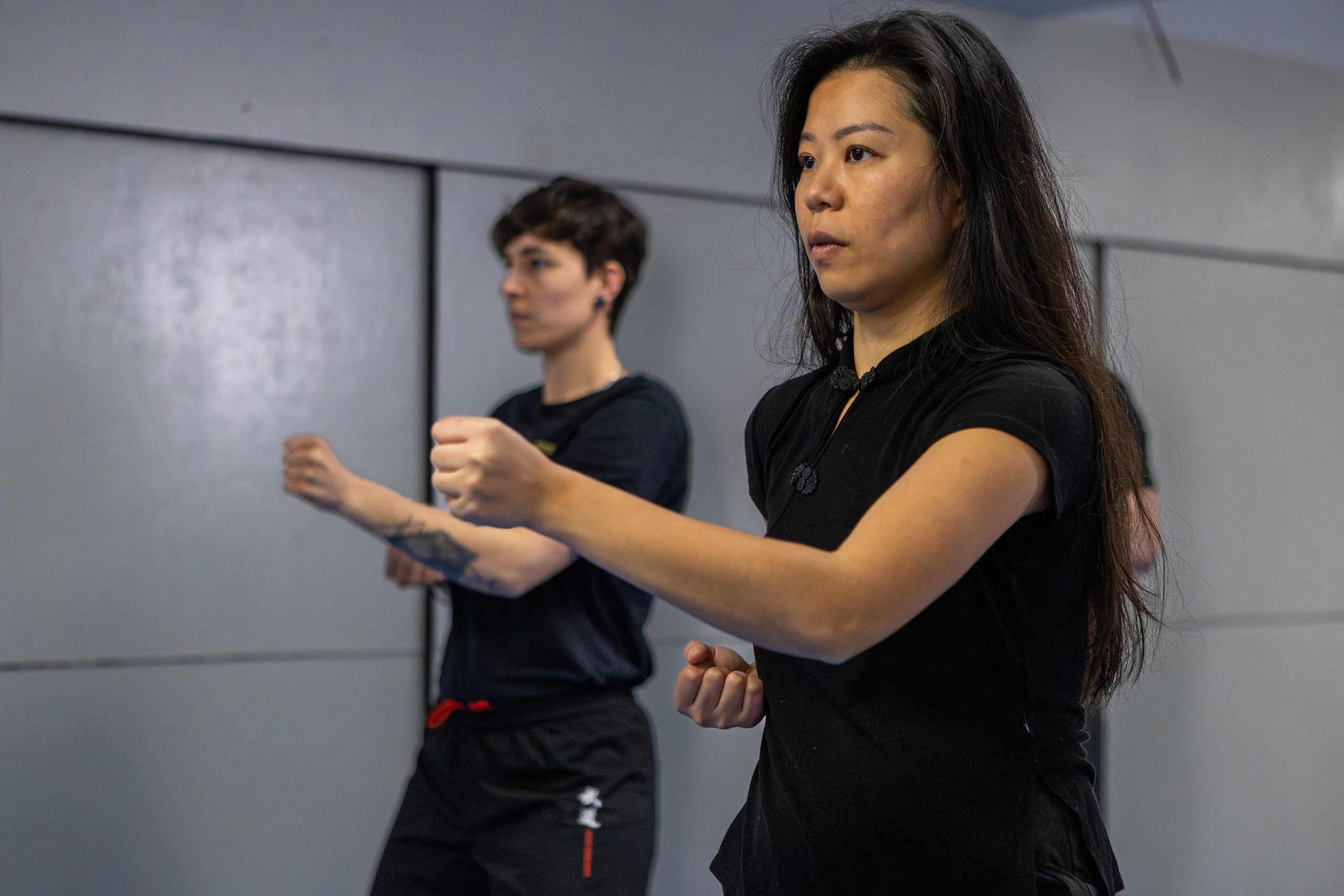
Nowadays, looking fit and strong is the norm. That’s why fitness or practicing a martial art is very popular. According to Robert Everts from KEI Kung Fu, the focus is too much on the here and now. In this article, he explains why he redefined his sports goals, from the here and now to the future and from external (how you look) to internal. It should be clear that Wing Chun also contributes to this in the long term.
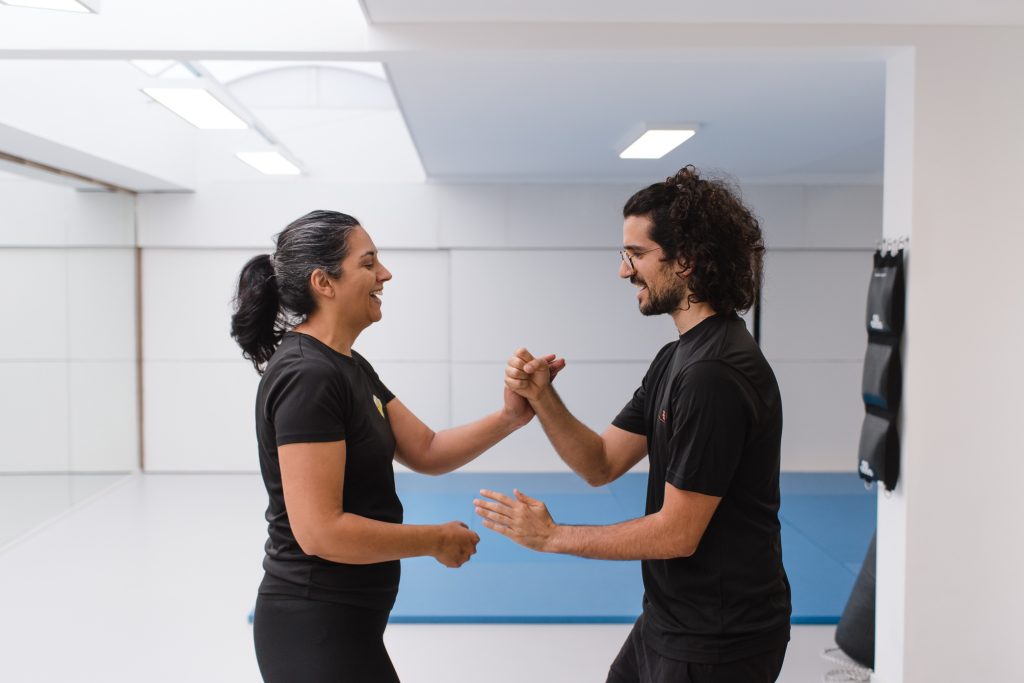
Robert’s interest in Wing Chun was sparked years ago when several people around him experienced positive change through practicing Wing Chun. When he got acquainted with the Kung Fu style, his ambition to become physically fit slowly shifted to more. Kung Fu, and especially Wing Chun, is more of a complete lifestyle than just a martial art. An aspect that still comes back in every lesson today. The curiosity about the internal aspect of the martial art grew, and Robert realized that this internal cultivation could also enhance physical abilities. It was this holistic approach of Body, Mind & Spirit that convinced Robert to dedicate his life to continuously learning this form of Kung Fu.
For the monks from Shaolin, three pillars were always central to their way of life, and these three pillars still form the basis at KEI Kung Fu today: balance between mind, body, and spirit.
The basic elements you learn in Wing Chun
“Wing Chun is a Kung Fu style that teaches you more than can fit in this article,” says Robert Everts when asked what Wing Chun means to him. We explain here that dealing with conflicts, energy, and self-confidence are important aspects of Wing Chun.
Conflict Management
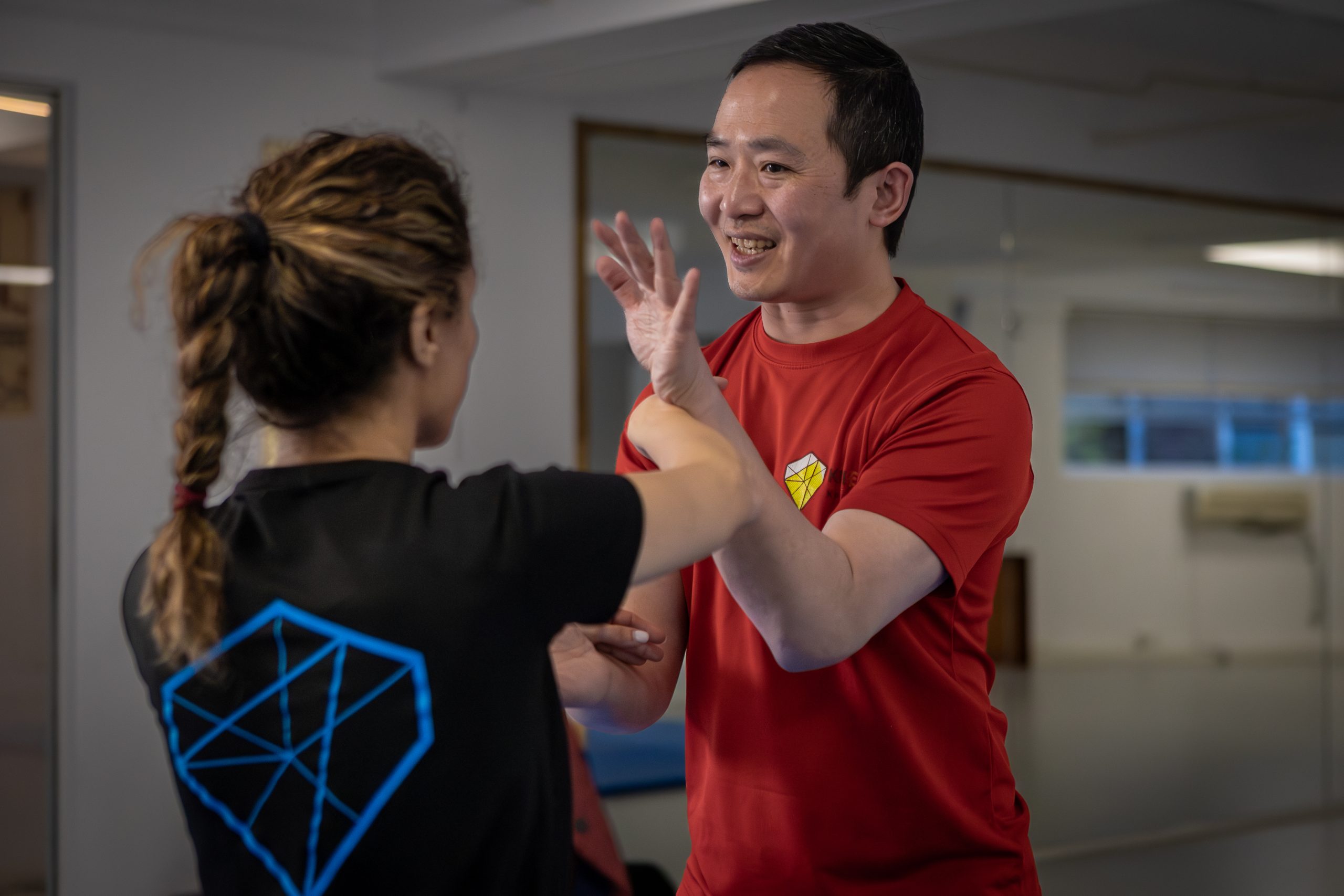
An important element that often comes up is dealing with conflicts. Wing Chun teaches you how to best avoid conflicts and resolve them when necessary. You end up less often in verbal and physical discussions/conflicts because you are trained to handle them. What happens inside when someone pushes or pulls you? How do you deal with pressure? Skills that you can apply in dealing with obstacles in life, such as job searching or a conflict in your relationship, by practicing them a lot. And how do you deal with someone who talks to you in a way you don’t like? The more you train under pressure, the more you learn to avoid the conflict.
Energy
Another important Kung Fu technique is dealing with energy. When force is met with force, logically the one with the most physical strength wins. Wing Chun exercises are aimed at overcoming your opponent’s strength with softness. The same applies when someone approaches you with a lot of negativity. It sounds easy to ignore negative energy, especially when someone is out to prove their point. At KEI Kung Fu, we know it is a skill that must be cultivated and that you get better at with many years of practice.
Self-confidence
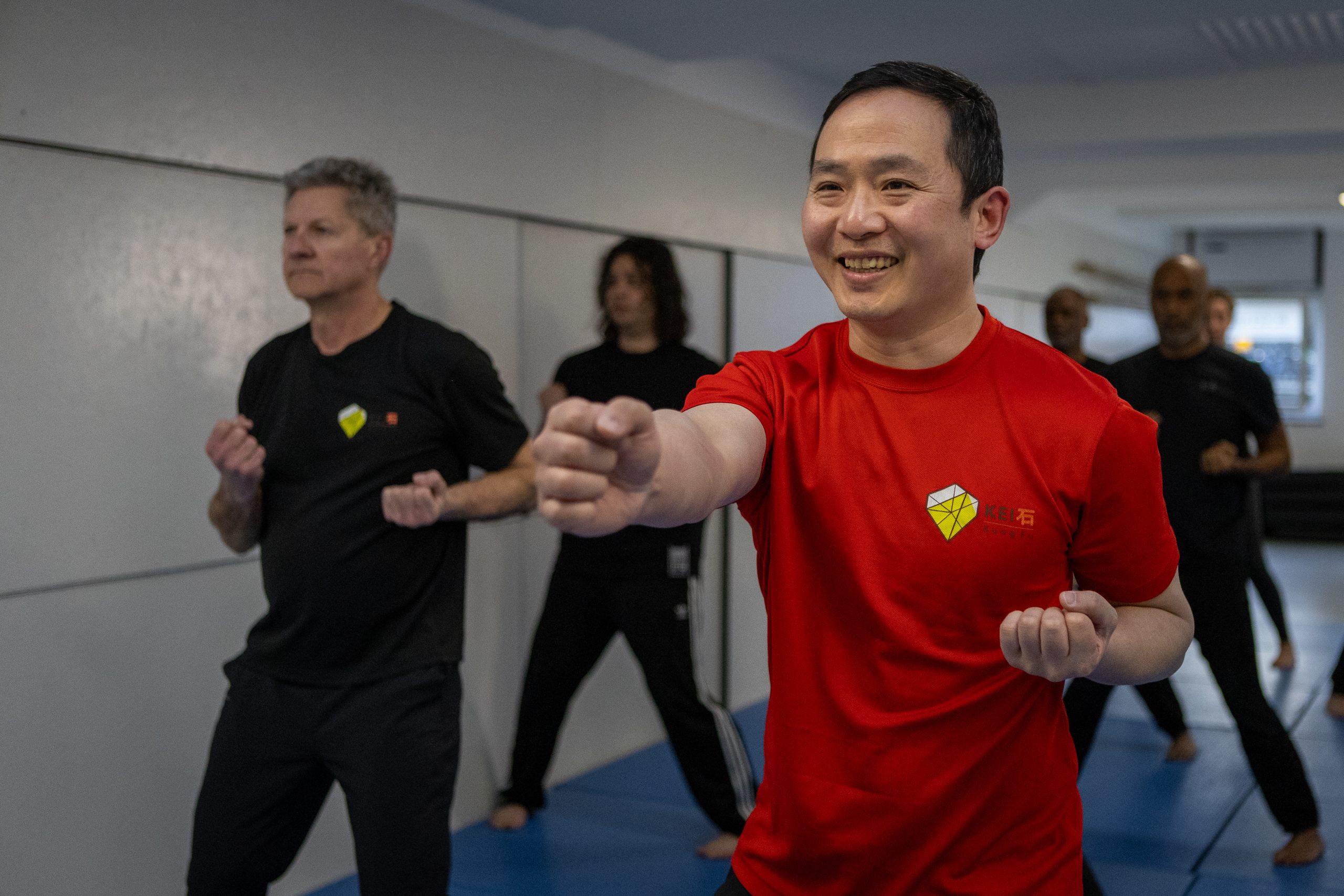
Self-confidence and self-control are other skills that improve through practicing Wing Chun. “The knowledge that you are capable of physically defending yourself against any form of danger from another individual can provide immense peace, both physically and mentally. One of the primary goals within Wing Chun is for students to learn that they can overcome any challenge, as long as they are willing to face their fears. This ensures that students feel strong enough to stand up for themselves in any situation.” – Robert Everts, teacher at KEI Kung Fu.
Why Wing Chun can be seen as a lifestyle
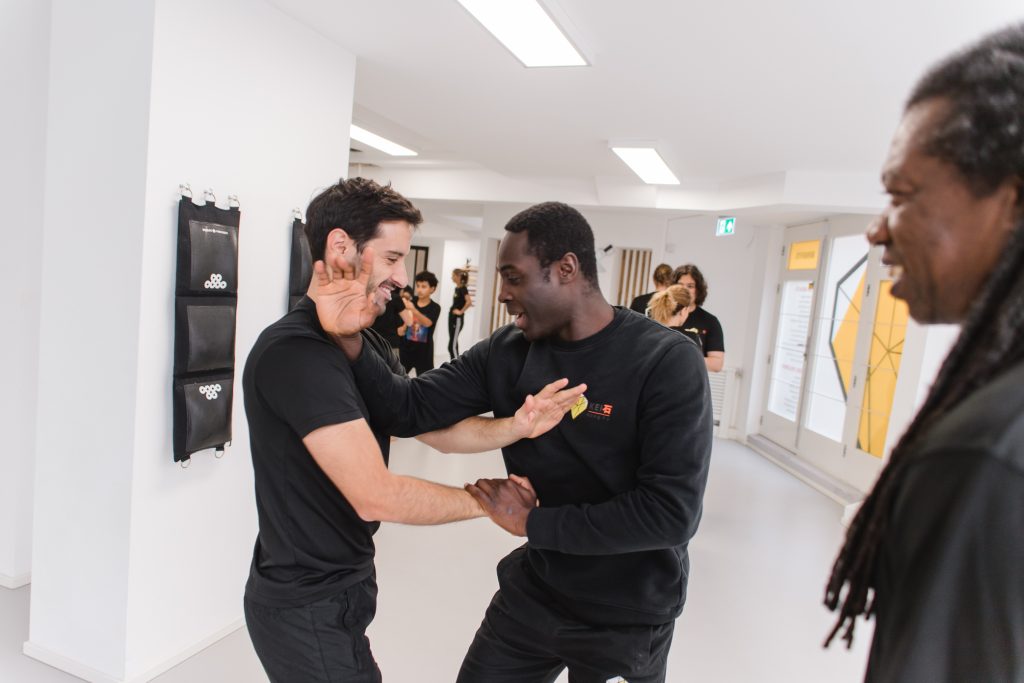
Unfortunately, Wing Chun is not a martial art you learn in a few weeks. Of course, you can quickly master some hand movements and kicks, but these are never as sharp and effective compared to someone who has practiced Wing Chun for years, even if that person experiences less physical strength due to, for example, age. Technique through experience thus overcomes physical strength.
If we distinguish Martial Arts into external and internal Martial Arts, external Martial Arts, such as (kick)boxing, focus on brute strength. But the older you get, the less physical strength the body has. A martial art where you eventually can’t keep up with younger athletes. With internal Martial Arts, such as Kung Fu, Tai Chi, or Aikido, strength actually increases over the years. This is because you cultivate the internal aspect. “Strength comes from within and complements everything on the outside. I’m never surprised when I see senior Wing Chun practitioners who still look young and healthy,” says Robert. A martial art where, the longer you practice, the more benefits you experience and you can defeat a younger opponent.
“Patience, hard work, and consistency are the keys to success. Like a diamond that shines more the more it is polished, Wing Chun skills improve the more you cultivate them.”
Hundreds of different Kung Fu techniques and exercises
Unlike, for example, (kick)boxing, Kung Fu has hundreds of different movements. Starting with dozens of basic movements followed by many intermediate and advanced movements. The more Wing Chun techniques you learn, the more you need to improve the techniques. A martial art you never outgrow.
Curious about Wing Chun lessons in our beautiful academy in Amsterdam? Come by for an introduction or sign up for a free trial lesson!