21 May, 2026
Starting with Martial Arts, what should you pay attention to?
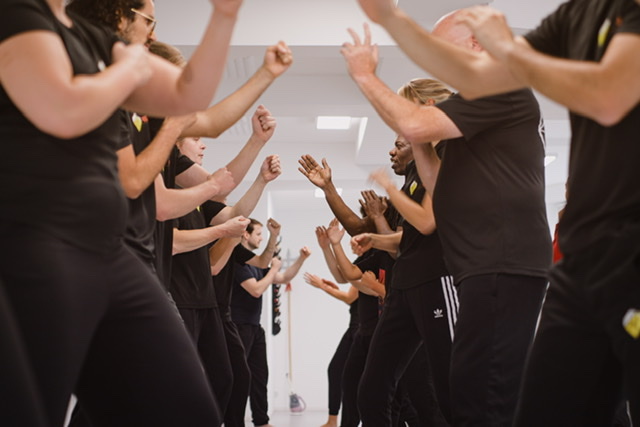
What should you pay attention to when starting Martial Arts and how do you know which of the many Martial Arts suits you best? In a series of articles, Robert Everts explains why he is so enthusiastic about Kung Fu and what you can expect from the free trial lessons that KEI Kung Fu offers to anyone interested in getting acquainted with the Eastern martial art.
Martial Arts, the English term for combat or fighting arts, is a collection of all fighting techniques and traditions. Both Eastern, including Kung Fu, and Western martial arts fall under Martial Arts. In a previous article, we delved deeper into the history of Kung Fu. Kung Fu looks cool, especially because of the impressive moves of people like Bruce Lee and Jackie Chan. But the martial art goes far beyond kicking and punching, as the internal aspect helps you elevate your Kung Fu skills to a higher level.
Different types of martial arts
Martial Arts, such as Karate, Judo, Kickboxing, and Jiujitsu, and various styles of Kung Fu are all combat sports that make you physically fitter. Additionally, they increase your knowledge and skills regarding self-defense. They promote a healthier lifestyle and boost the amount of self-confidence with which you face the world. In other words, it’s a great full-body workout. Unlike, for example, a gym workout, the focus is not on weights and machines. The atmosphere is not isolated, and as a group, you encourage each other to bring out the best in yourself.
“The internal aspect fortunately plays a big role in Martial Arts,” says Robert. “Personally, I have not encountered another form of martial art that offers as much depth in terms of internal cultivation as Kung Fu. The body-mind connection is an incredibly important theme within Kung Fu. This distinguishes it from other martial arts. In (kick)boxing, the focus is mainly on speed and power with the goal of making and receiving impact. Kung Fu, on the other hand, focuses a lot on the details. The more you refine the details of your form, posture, or hand and kicking techniques, the more you train the mind. The more pressure you exert on your body, the more pressure you exert on your mind. By continuing this, students can ultimately be freed from inner conflicts. The result is growth in your personal development. That’s why I think Kung Fu is one of the most effective Martial Arts systems for integrating body and mind.”
Is Kung Fu for me?
You can read books and watch movies about Kung Fu, but to find out if Kung Fu is a sport for you, there is only one way: to participate. At KEI Kung Fu, we find it very important that you get a feel for the atmosphere and the teachers. How do the students train, and do I feel comfortable in the academy? Besides, we want you to enjoy it enough to have the perseverance to keep training.
“If people come for more self-confidence, for example, it can be overwhelming when our students perform all kinds of impressive techniques in class. That’s why at KEI Kung Fu, we have developed trial lessons that teach you more about the basics of Kung Fu and Wing Chun and don’t throw you in the deep end right away.” – Robert Everts, teacher at KEI Kung Fu
Learning Kung Fu? What can you expect from a trial lesson?
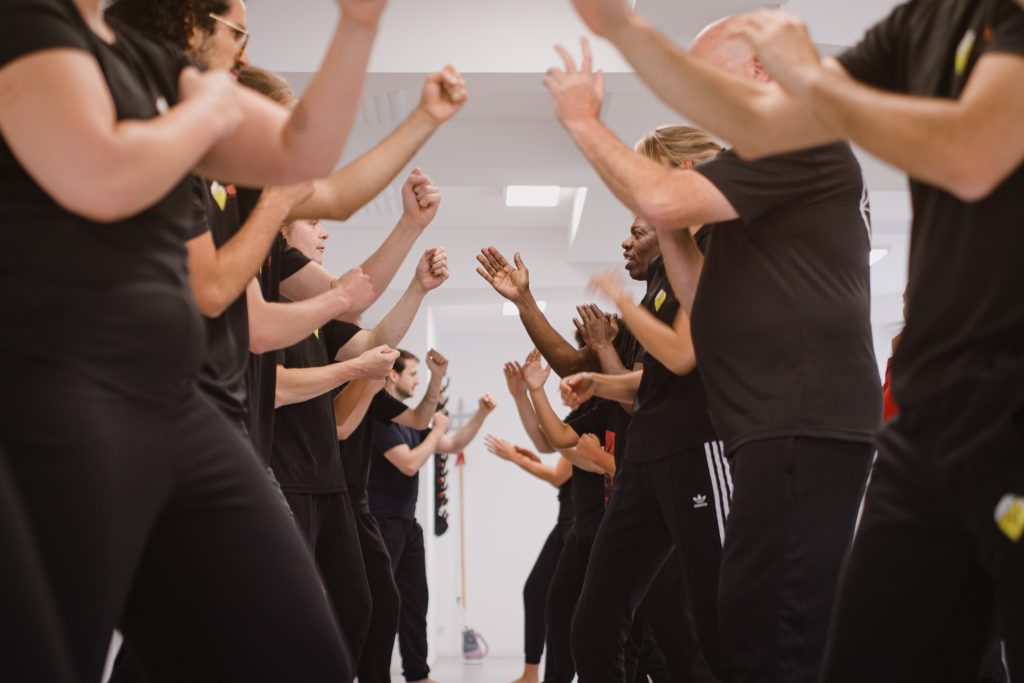
Before a trial lesson starts, we like to know your personal motivation for participating. Does someone want to learn more self-confidence or self-defense skills, or come for creating more calm? KEI Kung Fu adjusts the lesson’s focus to the student’s goals. No experience? No problem. Everyone, regardless of gender, physical condition, or fitness, can participate in Wing Chun. After the intro, we spend the first half hour on more background information about Kung Fu and Wing Chun. What does Kung Fu mean, and what are the basic skills of the martial art? After the theory part, it’s time to join a basic class, which lasts about half an hour. Finally, it’s time for the real lesson of one hour where you join students from beginner classes.
Wing Chun, Qigong, and KEI fit
KEI Kung Fu offers 3 different trial lessons: Qigong, Wing Chun, and KEI fit. Qigong is a slow class that makes you feel ‘zen’. The focus is on what happens in the body and in our mind. The goal is to connect the two. In the class, we work on breathing techniques, slow forms, body postures, etc. The Wing Chun lessons focus on self-defense. If you are looking for a dynamic training that also teaches you how to handle conflicts and self-confidence, this class is ideal for you. Finally, we have our KEI fit lessons for those who want explosive training. These lessons are perfect when you want to work on strength, mobility, flexibility, and endurance.
Qigong exercises, for example, mainly focus on calm and meditation in a quiet environment. But how much effect does that calm have when you return to the reality of a busy city? By participating in our Wing Chun lessons, you learn to stay relaxed in a busy environment or when someone comes at you with a fist. It’s harder to stay calm in stressful situations. That’s why it makes sense to combine both skills.” – Robert Everts, teacher at KEI Kung Fu
“We believe in balance, and that’s why we advise our students to combine the lessons. The lessons complement each other. During the Qigong lessons, the emphasis is on mindfulness and relaxing the body. But what good is relaxation if you can’t apply it in stressful situations? Sparring and fighting, on the other hand, have many similarities with daily life. It can be tough, challenging, frustrating, chaotic, and stressful. But how do you make sure you don’t get thrown off when someone yells at you or attacks you? That’s why we teach you to stay calm and mindful during self-defense situations or sparring. A great example of how Qigong exercises complement Wing Chun and vice versa. If you can be relaxed and mindful during difficult times, you can be relaxed and mindful anytime and anywhere.”
Want to experience for yourself that after just one trial lesson you can master more skills than you think and even win against a strong opponent with less physical strength? We look forward to your participation. Come by for an introduction or sign up for a free trial lesson.