20 Jun, 2026
Types of martial arts: which one suits you?
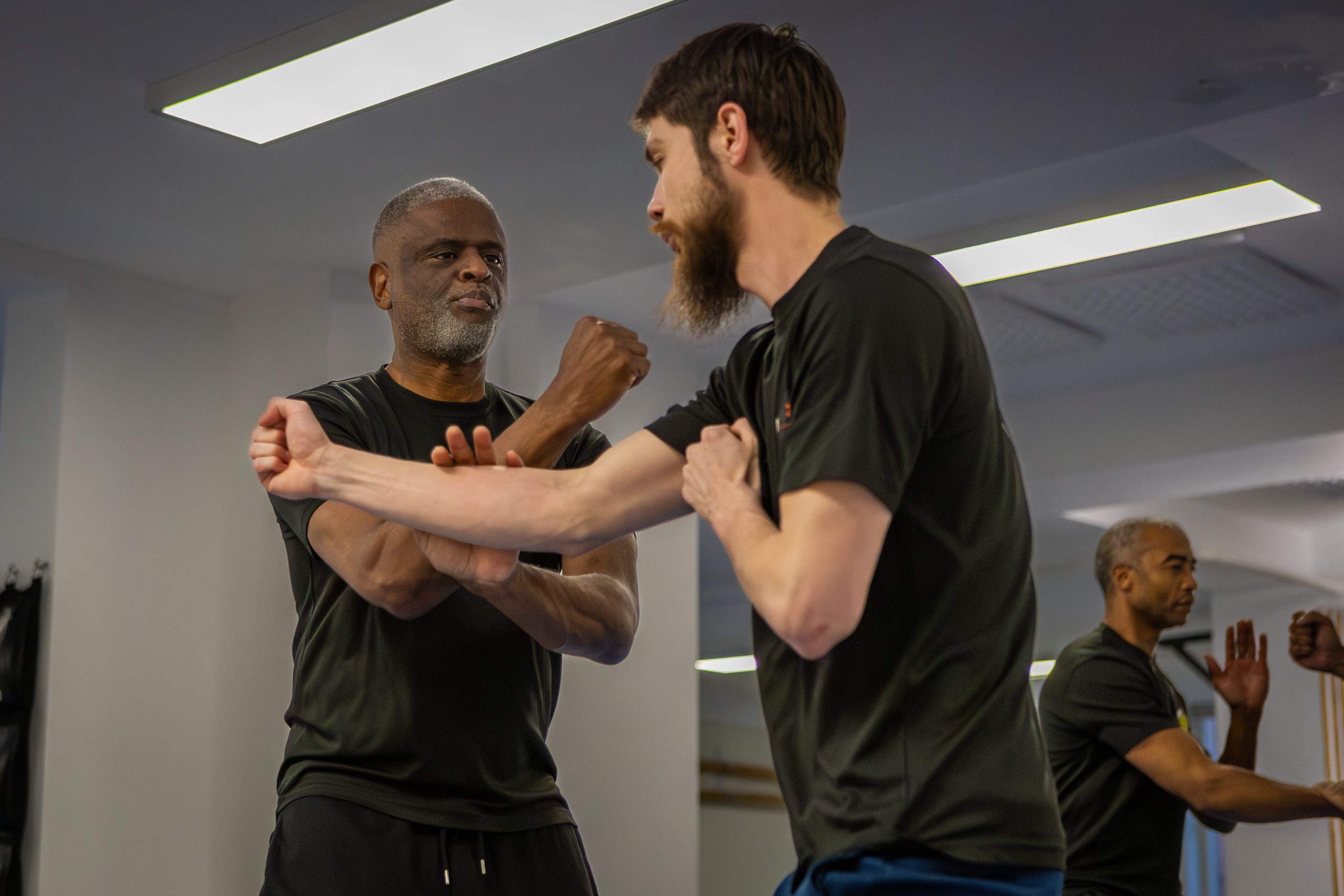
Taking up a martial art is one of the best decisions you can make for both body and mind: you work on fitness, confidence and focus all at once. Then comes the hardest question: which one? Once you start researching, you’ll probably lose sight of the wood for the trees pretty quickly. This article is here to help you get a clearer picture, so hopefully you’ll find the style that suits you.
If you want to take up a martial art, you have dozens of styles to choose from. From boxing to judo, and from karate to Kung Fu. Every style has its own character, which is exactly why the question isn’t which martial art is best, but which one is best for you. In this article, we run through the main types of martial arts and help you choose.
What is a martial art?
Many people initially focus on the word “fighting”. But aggression is rarely what’s at the heart of a martial art. There are clear rules, and respect for your training partner and opponent always comes first. You practise attacking and defensive techniques, but the goal isn’t to cause harm, it’s to develop your own skill and confidence. Technique, control and personal development take centre stage. That’s why, in practice, many styles are better described as a martial art in the true sense than a competitive sport.
The best-known types of martial arts
Broadly speaking, you can classify martial arts by where the fight takes place. Styles such as boxing, kickboxing, karate and taekwondo revolve around striking and kicking at a distance. Grappling styles such as judo and Brazilian jiu-jitsu focus on grips, throws and ground control. Then there are self-defence systems such as krav maga, aimed purely at practical application, and traditional martial arts such as aikido, Kung Fu and tai chi, where philosophy and inner development play just as big a role as technique. Whichever form you choose, the various martial arts have more in common than they have differences. Every serious martial art trains fitness, coordination and mental resilience.
Chinese martial arts
Chinese martial arts have their own centuries-old tradition, often summed up under a single name: Kung Fu. Kung Fu is actually an umbrella term for hundreds of styles, from the acrobatic Shaolin styles to internal arts such as tai chi. What characterises the Chinese approach is that body and mind are trained together: posture, breathing and attention matter just as much as strength and speed.
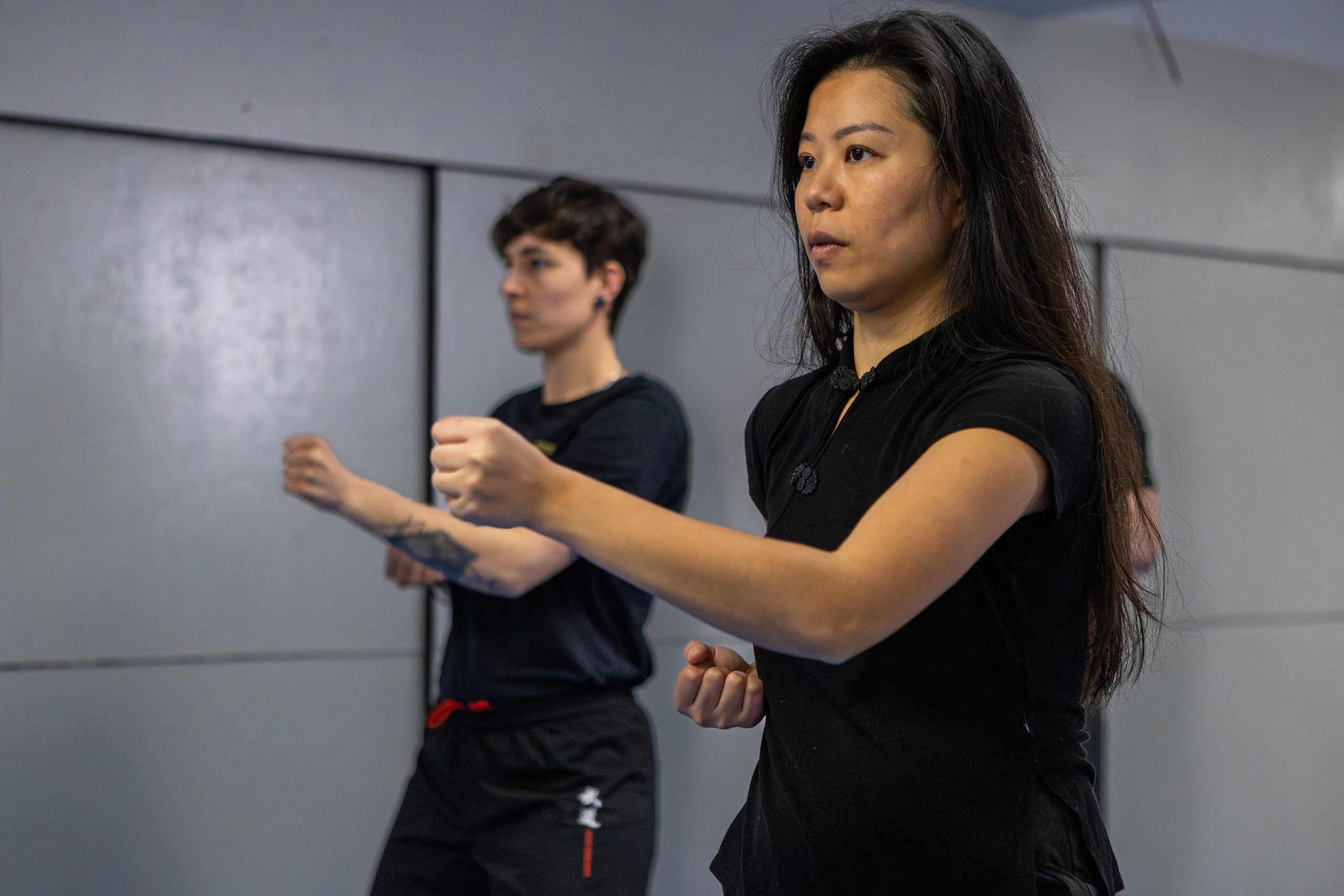
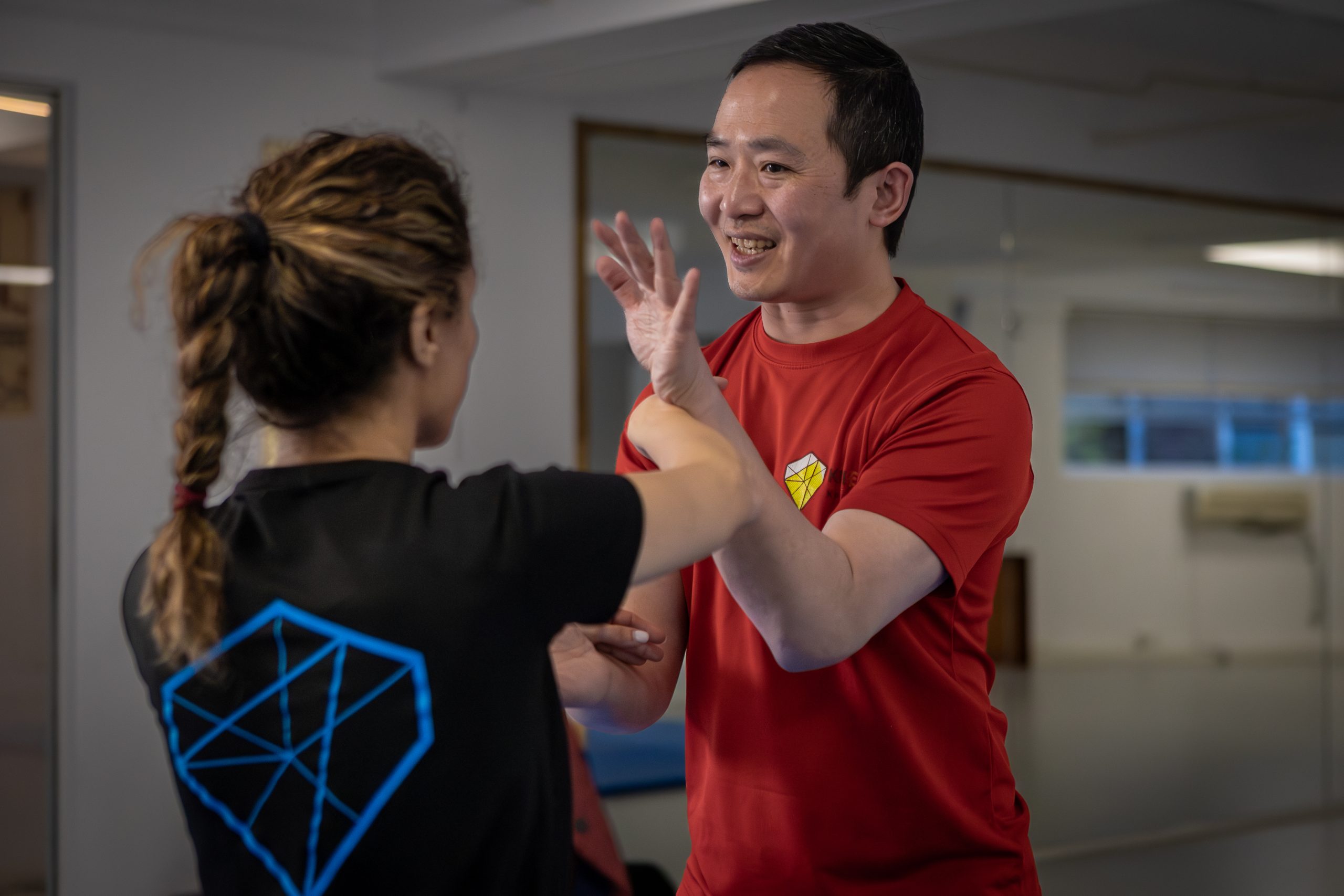
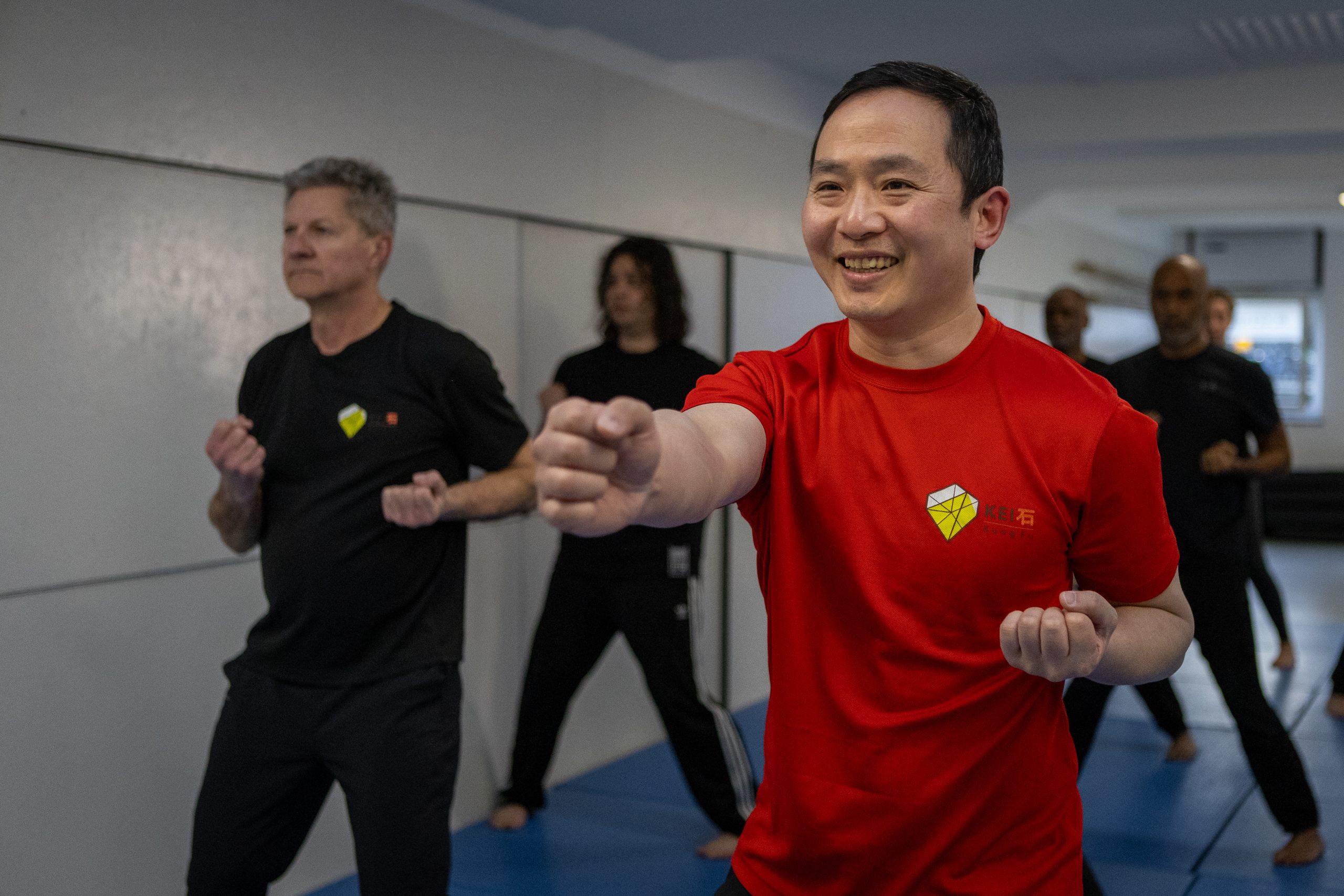
One of the best-known Chinese styles is Wing Chun, the martial art we teach at KEI Kung Fu in Amsterdam. Wing Chun was developed for close-range self-defence and is all about efficiency: short, direct movements, a strong structure and sensitivity to what your opponent is doing. Strength plays only a minor role, which makes the style accessible to everyone. Famous Wing Chun practitioners include Yip Man and his student Bruce Lee.
Is there such a thing as the strongest martial art?
There’s an endless debate raging online about which martial art is the strongest. The honest answer: no such thing exists. The outcome of a confrontation depends far more on the practitioner than on the style. Experience, composure and body awareness almost always outweigh the system someone trains in. The better question is what you actually want to achieve through your training. Someone wanting to perform in competitions is after something different from someone who wants to feel safer, or find calm in a busy mind.
We don’t believe there’s such a thing as “the best martial art”. Every martial art has its own strengths, and a great deal depends on the person, the quality of the training and the situation. We choose Wing Chun for the qualities the style develops. It teaches you to work efficiently, to control distance, and to rely on structure and timing rather than mainly on strength or athletic ability. What makes Wing Chun so valuable to us is just how much depth lies hidden within a relatively “simple” system. You learn to know your own body, to read another person’s movement, and to make effective decisions under pressure. These skills take time to develop, which means the art keeps challenging you physically and mentally for years. That combination of practical skill and long-term personal development is a key reason why we at KEI choose Wing Chun.
Which martial art suits you?
Ask yourself three questions. What’s your goal: fitness, self-defence, competition or mental calm? How do you want to train: explosive and physical, or technical and focused? And which group do you feel at home in? Of course, you won’t find the answer on paper, but in the training hall: the atmosphere in a boxing gym is quite different from the atmosphere in our own school in central Amsterdam.
Fortunately, almost every school offers a trial lesson, and you’ll always learn more from one class than from hours of reading. When you do, don’t just look at the style, look above all at the school itself. Is the guidance good, and is the atmosphere safe and motivating? Do you feel comfortable there? Ultimately, this is what determines whether you keep training and whether you reach your goals.
Want to find out if Wing Chun is right for you? Request a free trial lesson at KEI Kung Fu in Amsterdam and experience for yourself how we help you train body and mind together.